What moving to a new country taught me about simplifying nutrition
Moving to another country comes with its own mix of excitement, uncertainty, and challenges.
It has been a month since I relocated to Kuala Lumpur from Bengaluru. As an endurance runner and sports nutritionist, I knew one thing from the beginning: if I wanted to stay consistent with my nutrition, I had to eat home cooked meals.
But there was a catch.
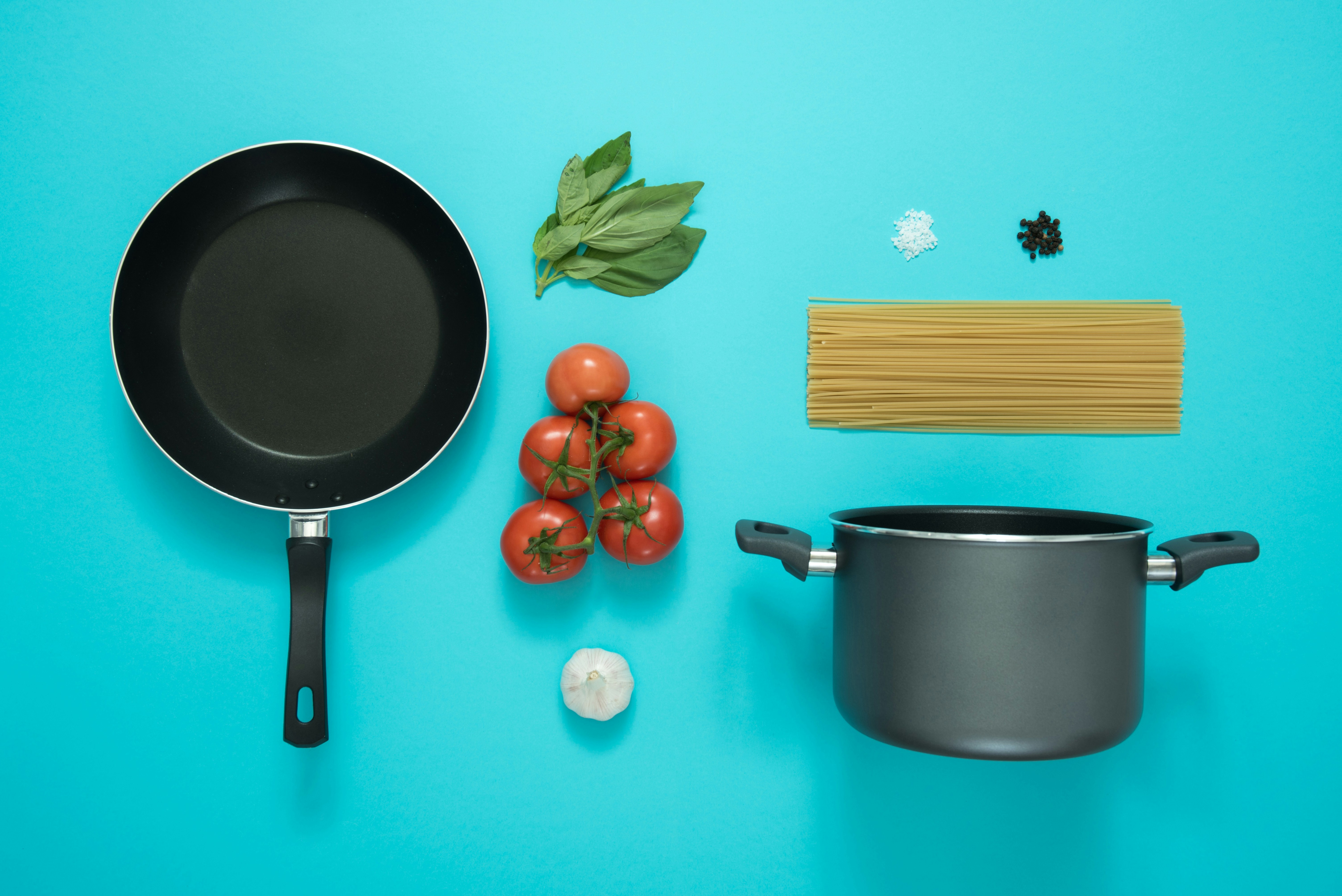
For the first month, I lived in a serviced apartment with the bare minimum of kitchen equipment: a rice cooker and a kadai. This taught me: We often don’t need more options. We need fewer decisions.
With limited utensils, a supermarket across the road and a little planning, I realised just how much can be done with a rice cooker and one pan. Before worrying about recipes, ingredients or meal plans, I asked myself a simple question:
What is my goal, and am I willing to stick to it?
Once that was clear, the next step was to spend time in the supermarket, read labels, understand what’s available locally, and find foods that could replace what I was used to eating in India.
My approach was not about following a perfect diet. It was about building a simple system that I could repeat. My meals broadly followed this structure:
- 50% of the plate with vegetables
- A good source of protein at every meal
- Carbohydrates adjusted around training
- 1 bowl of fruit
- Healthy fats in sensible portions
Rather than chasing variety every day, I focused on consistency and convenience.
My one-pan, one-pot month
- The rice cooker became my carbohydrate station.
- Rice, millets, and other grains could be prepared without much effort.
- The kadai handled almost everything else from vegetables, eggs, chicken, tofu and even quick one-pan meals.
- The supermarket across the road became my pantry, with fresh produce, spices, dairy, and other basics always within reach.
And suddenly, cooking didn’t feel like a chore. It became a routine.
Breakfast:
My breakfasts usually combined:
- Bread or sourdough
- Sautéed vegetables
- Some form of eggs
- Protein shake when needed
- A small serving of nuts or butter
- A bowl of fruit
The goal was simple: carbohydrates + protein + some fat + fruit/vegetables.
Lunch was usually a bowl-style meal:
- Vegetable curry: cabbage, lauki, karela, cauliflower, spinach, basically whatever was available
- Greek yogurt
- Rice or millets
- Cucumber and/or carrot in salad
This was probably my easiest meal to repeat.
Dinner was even simpler:
Sautéed vegetables, chicken breast, tofu or shakshuka. A single pan. Minimal washing up & voila And yes, there was room for indulgence. Nutrition doesn’t have to mean eliminating everything you enjoy. I usually kept a little room for:
- 10 g dark chocolate
- A small ragi mug cake
Sometimes that was enough to finish the day feeling satisfied rather than restricted.
What did it look like nutritionally?
Based on my tracking, my average intake during this period was around 1,500 kcal/day, although actual intake varied depending on training.
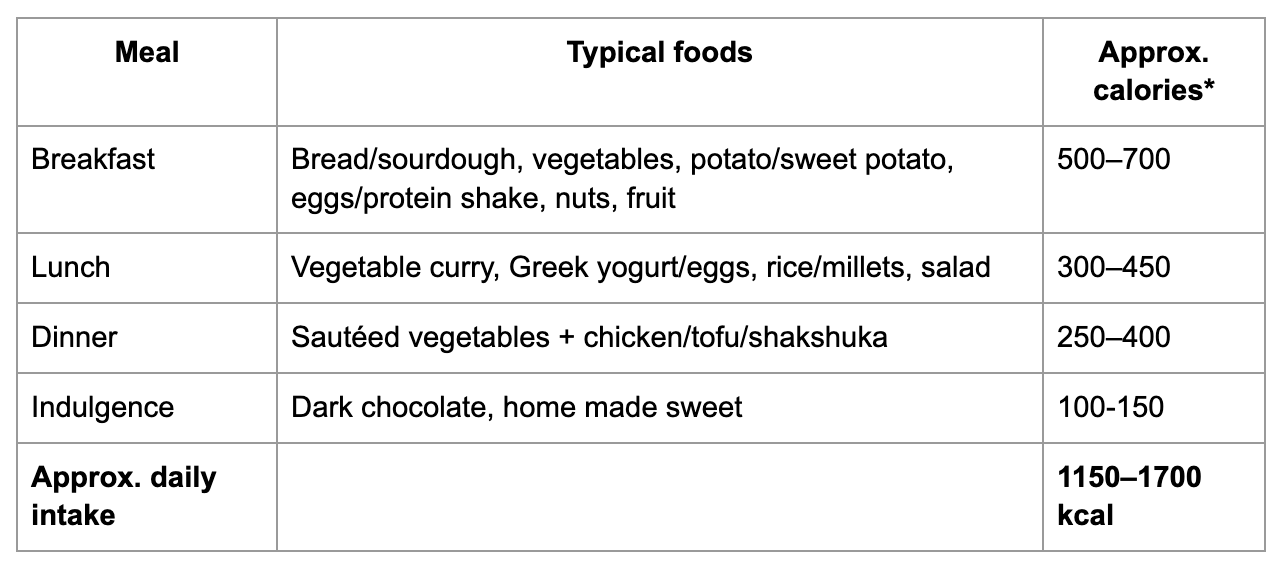
*Calories are estimates and depend heavily on portion sizes, cooking oil, and whether grains are measured cooked or uncooked. My tracked average was approximately 1,500 kcal/day.
My estimated average daily expenditure was around 2,000 to 2,100 kcal, with a training routine of approximately:
- 2 easy runs, 1 hard workout & 1 long run during the week & 2 to 3 strength sessions.
What I learned
The biggest lesson wasn’t about calories. It was about decision fatigue.
When you’re moving countries, setting up a home, figuring out local markets, adapting to a new environment, and continuing your training, food can easily become another source of decisions.
And most importantly, I realised that healthy eating doesn’t have to be complicated to be effective.
Sometimes, simplifying your environment is what makes consistency possible.
My simple KL kitchen toolkit
If I had to build the same setup again, I’d keep these staples around:
Carbohydrates: rice, millets, oats, potatoes, sweet potatoes, sourdough/bread
Protein: eggs, Greek yogurt, chicken, tofu, paneer, protein powder
Vegetables: spinach, cabbage, cauliflower, carrots, cucumber, tomatoes, lauki and whatever is seasonal
Fruit: bananas, apples, oranges, berries or local seasonal fruit
Fats: nuts, seeds, ghee/oil, nut butter
With these basics, a surprising number of meals can come together with just one pan.
And then there is movement
For me, movement is much more than calorie expenditure. It is one of the simplest ways to stay active, but it is also my space to think, process, and come up with new ideas.
A run, a walk, or a strength session gives me time away from the noise. And perhaps that’s the bigger lesson from this first month in KL.
Fewer utensils, fewer choices, simple meals gave me more space for the things that matter.